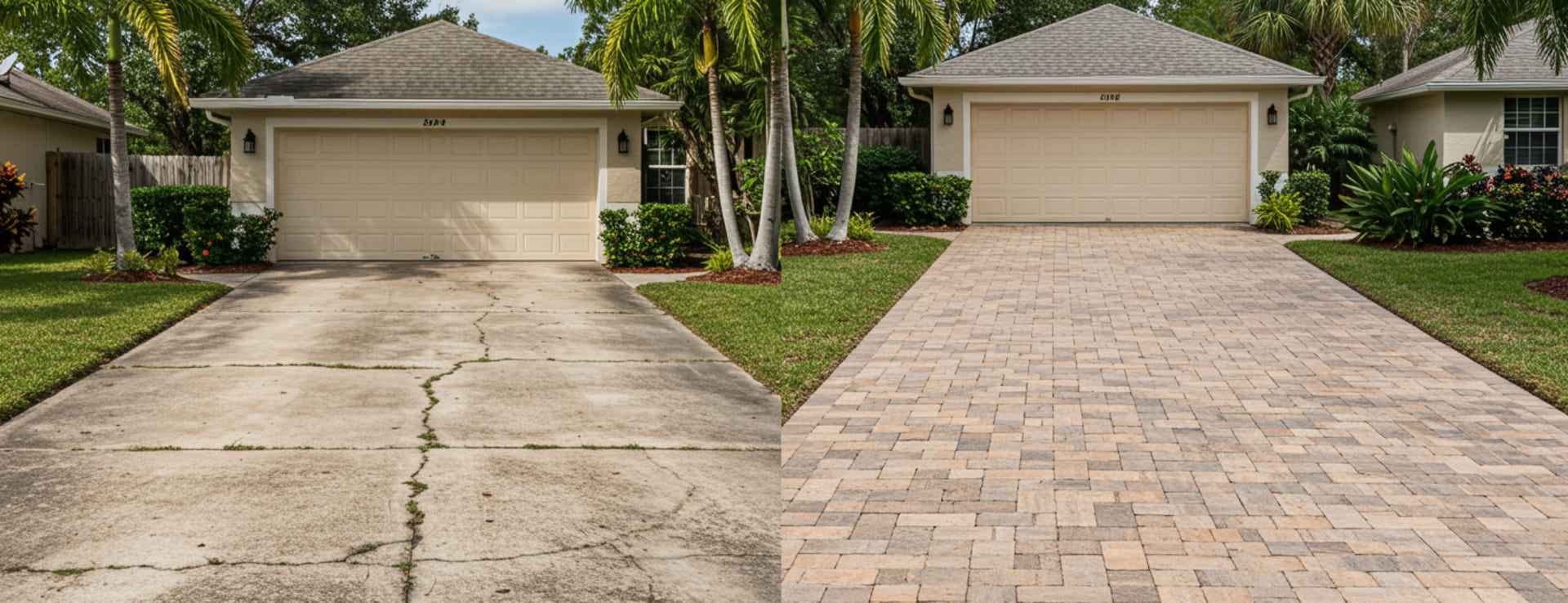
Choosing the right pool deck surface in Florida is one of the most consequential decisions a homeowner makes during a pool renovation or new installation. The surface you select affects safety, comfort, maintenance demands, long-term durability, and the overall aesthetic of your outdoor living space. Florida’s climate, however, makes this decision significantly more complex than in other states. Intense UV exposure, heavy seasonal rainfall, high humidity, and sandy shifting soil all influence how each surface material performs over time. This guide covers every major pool deck surface option available to Florida homeowners — so you can compare them clearly and choose with confidence.
Why Florida’s Climate Shapes Every Pool Deck Decision
Florida homeowners spend more time on their pool decks than residents in almost any other state. Because of this, the surface must perform well under conditions that push most materials to their limits. Heat retention is the most immediate concern — a surface that becomes unbearably hot underfoot on a July afternoon eliminates the comfort of the entire outdoor space. Additionally, slip resistance matters greatly in a wet pool environment, where surfaces are regularly soaked and used by children and adults moving quickly between the pool and surrounding area.
Drainage performance is equally critical. Florida receives an average of 54 inches of rain per year — much of it concentrated in intense summer storms. A pool deck surface that does not shed water efficiently creates pooling, which accelerates surface deterioration and increases slip risk. Furthermore, Florida’s sandy soil shifts seasonally, which means rigid surfaces without proper joint systems are prone to cracking within the first decade. Understanding these four climate factors — heat, slip resistance, drainage, and soil movement — frames every comparison that follows.
Pool Deck Surface Options in Florida: A Complete Comparison
1. Travertine Pavers
Travertine pavers are widely regarded as the premier pool deck surface in Florida, and for good reason. This natural stone stays measurably cooler underfoot than concrete, stamped concrete, or most ceramic tile surfaces — even in direct afternoon sun. That thermal performance alone makes travertine the dominant choice for Florida pool decks where barefoot comfort is a daily priority.
In addition to heat performance, travertine offers excellent natural slip resistance. Its porous surface texture provides grip when wet without requiring added chemical treatments or anti-slip coatings. The material is also highly durable — travertine pool decks installed with proper base preparation commonly last 30 to 50 years. Moreover, its natural aesthetic elevates the visual quality of any outdoor space, complementing both modern and traditional architecture.
The primary consideration with travertine is cost. Installed prices typically range from $18 to $30 per square foot in Central Florida, depending on tile size, pattern complexity, and site conditions. However, when evaluated over a 20-year period — accounting for reduced maintenance, longevity, and resale value contribution — travertine frequently delivers a stronger return than lower-cost alternatives. For more detail on how pool deck pavers perform in Florida, including material comparisons and installation considerations, that resource covers the full scope.
2. Concrete Pavers
Concrete pavers offer a more accessible entry point than travertine while still delivering the structural flexibility that Florida’s shifting soil demands. Like travertine, concrete pavers are installed as individual units over a compacted aggregate base and sand setting bed — allowing each unit to accommodate minor ground movement without cracking. This flexible system significantly outperforms poured concrete slabs in Florida’s sandy soil conditions.
Installed costs for concrete pavers typically range from $12 to $20 per square foot, depending on the pattern, color selection, and surface finish. They are available in a wide range of colors, sizes, and textures — including finishes that closely resemble natural stone. However, concrete pavers absorb more heat than travertine and require periodic sealing to maintain color stability under Florida’s UV exposure. Additionally, joint sand replenishment is part of the routine maintenance cycle.
For homeowners who want the structural benefits of a paver system at a lower material cost than travertine, concrete pavers represent a strong middle-ground option. They perform reliably in Florida conditions when installed over a properly compacted base with adequate perimeter drainage.
3. Cool Deck (Kool Deck)
Cool Deck — also sold under the Kool Deck brand — is a textured acrylic overlay applied over existing concrete. It was specifically engineered to reduce surface heat absorption, and it has been a standard pool deck surface in Florida for decades. The material reflects solar radiation more efficiently than plain concrete, resulting in surface temperatures noticeably lower than an unsealed slab.
Furthermore, Cool Deck’s built-in texture provides adequate slip resistance for wet pool environments. Installation costs are generally lower than pavers — typically ranging from $3 to $6 per square foot as an overlay. This makes it an attractive option for homeowners who want improved heat and slip performance without the cost of a full surface replacement.
The limitation is longevity. Cool Deck surfaces in Florida typically require recoating every 3 to 5 years as UV exposure causes color fading and surface chalking. Cracks in the underlying concrete slab will eventually telegraph through the overlay — meaning the condition of the base slab directly determines how long the Cool Deck finish holds. For homeowners whose existing concrete is structurally sound, Cool Deck is a cost-effective refresh. For those with a deteriorating slab, addressing the underlying concrete first is essential before any overlay is applied.
4. Stamped Concrete
Stamped concrete applies pattern and texture to a freshly poured slab — mimicking the appearance of pavers, stone, or tile at a lower material cost. Installed prices in Central Florida typically range from $8 to $15 per square foot, making stamped concrete a mid-range option that offers more visual interest than plain brushed concrete.
In contrast to paver systems, however, stamped concrete retains all the structural limitations of a poured slab. It cannot flex with soil movement — which means cracking remains a risk in Florida’s sandy conditions. Once a stamped concrete pool deck cracks, the repair is visible because the pattern cannot be seamlessly matched at the repair point. Moreover, stamped concrete requires sealing every 1 to 2 years in Florida’s climate to prevent UV fading, surface wear, and water penetration into the slab.
Stamped concrete works best when the site conditions are stable, the base preparation is thorough, and the homeowner understands the ongoing sealing commitment. It delivers strong visual results in the short term — but its long-term maintenance demands and crack vulnerability make it a less resilient choice than paver-based systems in Florida specifically.
5. Brushed (Broom-Finish) Concrete
Brushed concrete is the most basic pool deck surface — a poured slab finished with a broom texture to provide minimal slip resistance. It remains the lowest upfront cost option, typically installed at $5 to $9 per square foot. For homeowners with strict budget constraints, brushed concrete provides a functional, code-compliant pool deck surface.
However, it performs the worst of all options under Florida’s climate conditions. Heat retention is high — plain concrete surfaces in direct Florida sun reach temperatures that make barefoot use genuinely uncomfortable during summer afternoons. Additionally, without decorative treatments, brushed concrete ages quickly in Florida’s UV environment, becoming gray, stained, and visually worn within five to seven years. Cracking from soil movement and thermal expansion is common within the first decade.
Most Florida homeowners who initially install brushed concrete eventually resurface it. Understanding the difference between pool deck resurfacing and painting helps clarify which upgrade path makes the most sense when that time comes.
6. Porcelain Tile
Porcelain tile pool decks deliver a clean, contemporary aesthetic that appeals strongly to homeowners pursuing a resort-style outdoor living design. Modern porcelain tiles are available in large-format sizes, wood-look finishes, and stone-look textures — offering extensive design flexibility at a premium price point. Installed costs typically range from $15 to $30 per square foot depending on tile specification and site complexity.
The critical requirement for porcelain tile in a Florida pool deck context is slip resistance specification. Not all porcelain tiles are rated for wet outdoor use — the tile must carry a coefficient of friction (COF) rating appropriate for pool environments. Additionally, porcelain is a rigid material installed over a concrete substrate. As a result, any movement or cracking in the underlying slab will transmit directly to the tile surface. Grout joint maintenance and tile replacement become necessary when substrate movement occurs.
Porcelain performs best in Florida pool decks when installed over a structurally sound, properly cured concrete base with adequate expansion joints. For homeowners who prioritize a refined, low-maintenance aesthetic and are willing to invest in proper installation, porcelain tile delivers a distinctive result that holds its visual quality well under Florida’s UV conditions.
Pool Deck Surface Comparison: Florida Climate Performance
| Surface | Cost (installed) | Heat Performance | Slip Resistance | Crack Risk (FL) | Lifespan |
|---|---|---|---|---|---|
| Travertine Pavers | $18–$30/sq ft | ⭐ Excellent | ⭐ Excellent | Very Low | 30–50 years |
| Concrete Pavers | $12–$20/sq ft | ✅ Good | ✅ Good | Very Low | 25–40 years |
| Cool Deck Overlay | $3–$6/sq ft | ✅ Good | ✅ Good | Medium | 5–10 years |
| Stamped Concrete | $8–$15/sq ft | ⚠️ Moderate | ✅ Good | Medium–High | 10–20 years |
| Brushed Concrete | $5–$9/sq ft | ❌ Poor | ⚠️ Moderate | High | 10–20 years |
| Porcelain Tile | $15–$30/sq ft | ⚠️ Moderate | ✅ Good (rated) | Medium | 20–35 years |
Key Factors That Should Drive Your Decision
Budget vs Long-Term Value
Upfront cost and total lifecycle cost are two very different numbers in Florida. A brushed concrete deck installed at $7 per square foot may require resurfacing within eight years — adding $4 to $6 per square foot in overlay costs, plus ongoing sealing. In contrast, a travertine paver deck installed at $22 per square foot may require nothing beyond periodic joint sand replenishment for the next 30 years. Therefore, evaluating the 15 to 20-year total cost — not just the installation quote — leads to significantly better decisions.
Daily Use and Barefoot Comfort
Families who use their pool daily during Florida’s summer months should treat heat retention as a primary selection criterion — not a secondary one. On a 95°F afternoon, the difference between a travertine surface and a dark concrete slab is not marginal. It directly determines whether the pool deck is a space people enjoy or a surface they rush across to reach the water. For this reason, travertine and Cool Deck consistently rank highest among Florida homeowners who prioritize daily usability.
Existing Surface Condition
The condition of your current pool deck significantly narrows the available options. A structurally sound slab in good condition qualifies for overlay systems like Cool Deck or stamped resurfacing — cost-effective paths that avoid full demolition. However, a slab with deep cracks, active settling, or widespread spalling requires either structural repair before any overlay or full replacement. Applying an overlay to a failing slab only delays the inevitable and wastes the overlay investment. Understanding when to repair versus resurface a pool deck is the first step in determining which surface option is even available for your specific project.
Drainage and Soil Conditions
Florida’s sandy soil and high water table create drainage dynamics that affect every surface type. Paver systems — both travertine and concrete — allow water to permeate through joints, reducing surface pooling and relieving hydrostatic pressure on the base. Solid slab surfaces must be graded precisely to direct water away from the pool structure and toward perimeter drains. Poor drainage beneath any surface accelerates base erosion, which in turn causes settling and cracking. Reviewing common pool deck drainage problems in Florida helps identify whether drainage is a factor your project needs to address before selecting a surface.
When Resurfacing Is the Right Path
Not every pool deck situation calls for full replacement. Many Florida homeowners have structurally sound slabs that simply look worn, faded, or dated. In those cases, resurfacing delivers a significant visual and functional upgrade at a fraction of full replacement cost. Cool Deck overlays, micro-topping systems, and acrylic texture coatings all extend the life of an existing slab when the structural condition supports it.
The key is an honest assessment of the slab before committing to any overlay. Surface cracks under 1/8 inch wide are generally manageable as part of a resurfacing project. Cracks wider than that, areas with active movement, or sections showing subsurface voids require structural intervention first. A qualified contractor will identify these conditions during an on-site evaluation — and any contractor who quotes an overlay without inspecting the slab condition first is skipping a critical step.
Florida homeowners considering this path can also review pool deck resurfacing costs in Florida to understand the full pricing range across different overlay systems and project sizes before requesting a quote.
Why Installation Quality Determines Long-Term Performance
The pool deck surface material you select matters — but the installation standard determines whether that material delivers on its potential. A travertine paver installed over a poorly compacted base will settle unevenly within two to three years. A Cool Deck overlay applied without proper surface preparation will delaminate ahead of its expected service life. Stamped concrete placed without adequate control joint planning will crack along unintended lines regardless of the mix design.
In Florida specifically, base preparation is non-negotiable. The compaction depth, aggregate specification, and drainage design must account for sandy soil conditions and seasonal hydrostatic pressure. Contractors who understand Florida’s specific installation requirements — not just general best practices — are the ones whose projects hold up over the long term. When evaluating proposals, ask directly about base preparation methodology, compaction standards, and how perimeter drainage will be managed. Those questions reveal the contractor’s actual knowledge level quickly.
Reviewing completed Florida backyard projects gives homeowners a clear benchmark for what professional installation quality looks like across different surface types and project scopes.
Florida Building Standards and Pool Deck Safety
Pool deck surface selection in Florida must also account for applicable building standards. The Florida Building Code sets minimum requirements for slip resistance, drainage slope, and surface finish around residential pools. Homeowners planning a pool deck renovation or new installation should familiarize themselves with those requirements before finalizing material and design decisions. The Florida Building Commission maintains the current code documents and provides guidance on residential outdoor construction standards applicable across the state.
Ready to Upgrade Your Pool Deck Surface?
Ready to restore your pool deck? Golden Outdoor Solutions specializes in pool deck surfaces across Central Florida — from travertine and concrete paver installations to Cool Deck overlays and full concrete resurfacing. Contact our team for a free on-site consultation, or send us a message directly on WhatsApp to discuss your project. You can also reach us by phone at +1 (321) 745-9047 or by email at contact@darkgoldenrod-rat-215632.hostingersite.com. Browse our completed projects to see pool deck surface work across different materials and styles, and follow us on Instagram and Facebook for inspiration and project updates. If you have worked with us before, we would love your feedback on Google Reviews. 🌟